Introduction
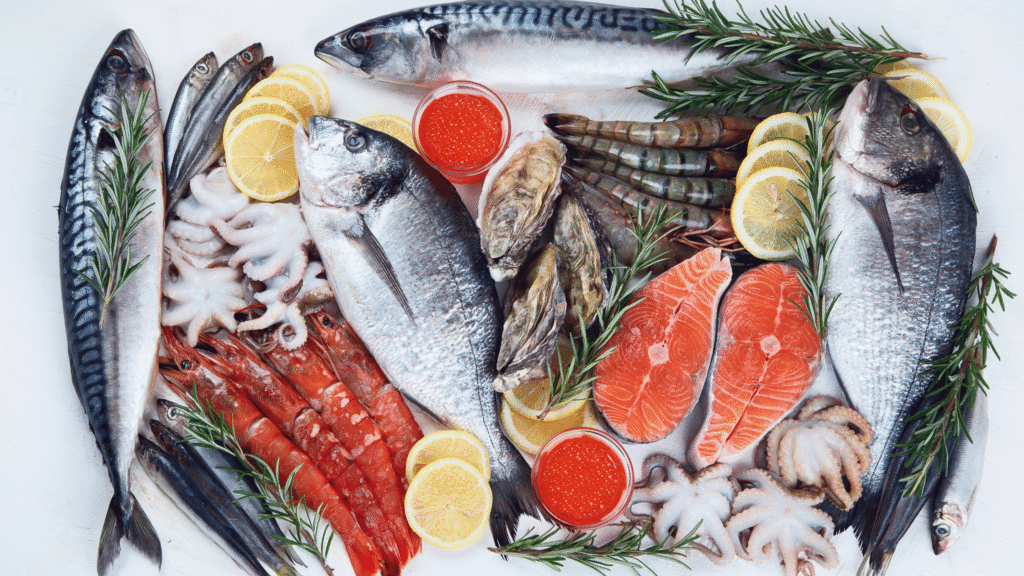
When it comes to eating for heart health, seafood is often a top recommendation by nutritionists and doctors alike—and for good reason. From salmon and sardines to shrimp and shellfish, seafood is a nutritional powerhouse, loaded with high-quality protein, essential vitamins, and heart-loving omega-3 fatty acids. It’s not just food from the sea—it’s a strategic choice for long-term cardiovascular wellness.
In a world where heart disease remains one of the leading causes of death, adopting a seafood-rich diet can play a key role in prevention. In this guide, we’ll explore how seafood contributes to heart health, the essential nutrients it provides, and how to incorporate it into your diet for maximum benefit.
The Nutritional Power of Seafood
Seafood isn’t just lean and delicious—it’s packed with nutrients that contribute to whole-body wellness.
1. High-Quality Protein
Seafood offers complete protein, meaning it contains all nine essential amino acids that the body can’t produce on its own. This helps:
- Repair tissues and support muscle growth
- Promote satiety and healthy metabolism
- Maintain stable blood sugar levels
Fish like tuna, cod, and halibut are especially rich in lean protein, making them ideal for those looking to stay strong without excess fat intake.
2. Omega-3 Fatty Acids
These essential fats—especially EPA (eicosapentaenoic acid) and DHA (docosahexaenoic acid)—are found in fatty fish like:
- Salmon
- Mackerel
- Herring
- Sardines
- Anchovies
Omega-3s are linked to:
- Lower blood pressure
- Reduced triglyceride levels
- Decreased risk of abnormal heart rhythms
- Less plaque buildup in arteries
- Reduced inflammation throughout the body
They are a cornerstone nutrient for preventing cardiovascular disease and promoting brain health.
3. Heart-Healthy Micronutrients
Seafood is naturally rich in:
- Vitamin D – Supports heart function and immune health
- Vitamin B12 – Essential for red blood cell production and neurological health
- Selenium – A powerful antioxidant that reduces oxidative stress
- Iodine – Critical for thyroid and metabolic function
Shellfish like oysters and clams are especially high in B12 and zinc, adding another layer of immune and heart protection.
How Seafood Supports a Healthy Heart
1. Reduces Inflammation
Chronic inflammation is a root cause of many heart conditions, including atherosclerosis (narrowing of the arteries). Omega-3s in seafood help reduce the production of pro-inflammatory molecules, protecting the lining of blood vessels and reducing the risk of clots.
2. Lowers Triglycerides and Blood Pressure
Clinical studies have consistently shown that regular consumption of omega-3-rich fish helps:
- Decrease triglyceride levels (a type of fat in the blood linked to heart disease)
- Lower blood pressure, especially in people with hypertension
These effects contribute to improved blood flow and reduced cardiovascular strain.
3. Prevents Arrhythmias
Irregular heartbeats, or arrhythmias, can be dangerous and potentially fatal. DHA and EPA help stabilize electrical activity in the heart, lowering the risk of life-threatening events.
4. Reduces Risk of Stroke and Heart Attack
Numerous population studies have found that people who eat fish at least twice a week have a significantly lower risk of stroke and coronary heart disease. The American Heart Association recommends at least two servings of fish per week for optimal heart health.
Best Types of Seafood for Heart Health
Not all seafood is created equal. Here’s a breakdown of the most heart-beneficial options:
🐟 Fatty Fish
- Salmon – One of the best sources of omega-3s and vitamin D
- Mackerel – High in omega-3s, selenium, and B12
- Sardines – Nutrient-dense, with calcium and vitamin D
- Herring – A flavorful, oily fish packed with heart-supportive fats
🐠 Lean White Fish
- Cod – Low in fat, high in protein
- Halibut – Rich in B vitamins and magnesium
- Tilapia – Mild in flavor and great for lean protein
🦐 Shellfish (In Moderation)
- Shrimp – Low in fat, high in iodine and selenium
- Oysters – Packed with zinc, B12, and omega-3s
- Clams and Mussels – High in iron and B vitamins
Tip: While shellfish can be high in cholesterol, recent research shows that dietary cholesterol has less impact on blood cholesterol than previously thought. For most people, moderate shellfish intake is safe and heart-healthy.
How to Incorporate More Seafood into Your Diet
Adding seafood to your weekly meals doesn’t require fancy recipes or exotic ingredients. Here are some easy, heart-smart ways to enjoy the benefits of seafood:
🍽️ Simple Ways to Start
- Grill or bake salmon fillets with lemon and herbs
- Add tuna or sardines to a salad or whole grain toast
- Use shrimp in stir-fries, tacos, or pasta
- Replace one red meat meal each week with a white fish dish
🧑🍳 Healthy Cooking Methods
Avoid deep-frying or heavily breading seafood, which adds saturated fats and calories. Instead, choose:
- Grilling
- Baking
- Steaming
- Sautéing in olive oil
🕐 Meal Prep Tips
- Keep canned tuna, sardines, or salmon in your pantry for quick meals
- Cook larger batches of grilled fish and use leftovers for wraps or salads
- Buy frozen fish fillets for convenient weeknight dinners
Safety and Sustainability: What to Know
✅ Choose Low-Mercury Fish
Some seafood may contain trace amounts of mercury. To stay safe, especially for pregnant women and children, focus on low-mercury choices, such as:
- Salmon
- Sardines
- Pollock
- Trout
Limit high-mercury fish like swordfish, king mackerel, and tilefish.
🌍 Support Sustainable Seafood
Look for certifications from Marine Stewardship Council (MSC) or Aquaculture Stewardship Council (ASC). These ensure fish are responsibly sourced and support long-term marine health.
Conclusion
Seafood is more than just a delicious dinner option—it’s a heart-smart, nutrient-dense food group that offers powerful health benefits. From its high-quality protein and omega-3 fatty acids to its impressive lineup of vitamins and minerals, seafood supports not only cardiovascular health but overall well-being.
By making seafood a regular part of your diet—at least two servings per week—you can significantly lower your risk of heart disease, improve cholesterol and blood pressure levels, and enjoy meals that are both satisfying and nourishing.
Related Posts

Why You Should Choose Same Day HIV Test Result Bangkok for Speed and Accuracy
In today’s fast-paced world, waiting days or even weeks for…

The Power of Vitamin C: Top Food Sources and How to Choose Them
Introduction Vitamin C, also known as ascorbic acid, is one…

Smart Eating: Tips for Choosing Protein- and Vitamin-Packed Foods for Better Health
Introduction In a world full of fad diets and confusing…