
Introduction
Vitamin C, also known as ascorbic acid, is one of the most essential nutrients your body needs—but cannot produce on its own. Known for its role in boosting the immune system, Vitamin C also plays a vital role in collagen production, wound healing, iron absorption, and protecting cells from oxidative damage. It’s no wonder health experts around the world emphasize the importance of getting enough of this powerhouse vitamin.
The best part? You don’t need supplements to meet your daily requirements. Vitamin C is widely available in a variety of natural foods, many of which are easy to include in your daily meals. In this guide, we’ll explore the top Vitamin C-rich foods and how to choose the best ones for your lifestyle and nutritional needs.
Why Vitamin C Is So Important
Before diving into food sources, it’s helpful to understand exactly why Vitamin C deserves a spot in your daily diet.
1. Boosts the Immune System
Vitamin C supports the production and function of white blood cells, helping your body fight off infections and reduce the severity of colds and flu.
2. Powerful Antioxidant
It helps protect your cells from damage caused by free radicals, reducing inflammation and lowering the risk of chronic diseases.
3. Supports Skin Health
Vitamin C is essential for the synthesis of collagen, a protein that keeps skin firm, youthful, and resilient. It also helps heal wounds and maintain skin elasticity.
4. Enhances Iron Absorption
Vitamin C boosts the absorption of non-heme iron (the type found in plant-based foods), helping prevent iron deficiency anemia, especially in vegetarians and vegans.
5. Protects Heart Health
Its antioxidant properties help reduce blood pressure, lower LDL (bad cholesterol), and improve overall vascular health.
Recommended Daily Intake:
- Adults (men): 90 mg/day
- Adults (women): 75 mg/day
- Smokers: Add 35 mg/day more (due to higher oxidative stress)
Top Food Sources of Vitamin C
While citrus fruits get most of the credit, many other fruits and vegetables are loaded with Vitamin C. Here’s a breakdown of the most powerful natural sources.
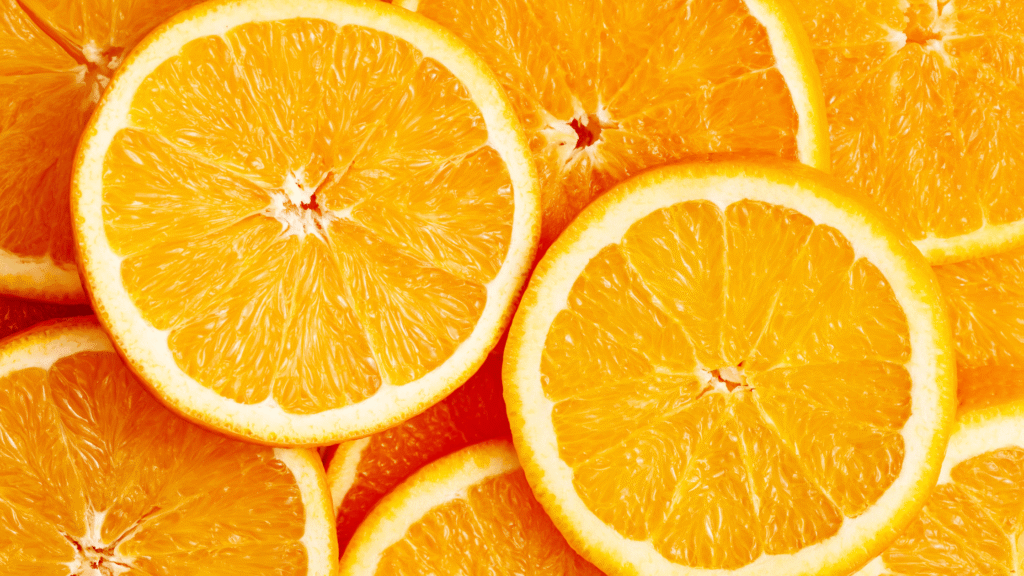
🍊 1. Citrus Fruits (Oranges, Lemons, Grapefruits, Limes)
- Vitamin C content: ~70–90 mg per medium orange
- Easily accessible and versatile, citrus fruits are a classic go-to for immune support.
- Best eaten fresh or juiced (without added sugar).
🫑 2. Bell Peppers (Red, Yellow, Green)
- Vitamin C content: ~95–190 mg per ½ cup (raw)
- Red bell peppers contain nearly twice as much Vitamin C as an orange!
- Great in salads, stir-fries, or raw with hummus.
🥦 3. Broccoli
- Vitamin C content: ~80 mg per cup (cooked)
- This cruciferous veggie is also rich in fiber, vitamin K, and antioxidants.
- Steam lightly to retain nutrients.
🍓 4. Strawberries
- Vitamin C content: ~85 mg per cup (sliced)
- A delicious antioxidant-rich option that’s also high in manganese and folate.
- Enjoy in smoothies, yogurt bowls, or fresh on their own.
🥝 5. Kiwi
- Vitamin C content: ~65–70 mg per fruit
- This small fruit packs a big nutritional punch, including potassium and fiber.
- Eat the whole fruit—yes, even the skin—for maximum benefit!
🌶️ 6. Chili Peppers
- Vitamin C content: ~100 mg per small pepper
- In addition to Vitamin C, chilies boost metabolism and support digestion.
- Add to soups, sauces, or dishes for a spicy and healthful kick.
🍍 7. Pineapple
- Vitamin C content: ~80 mg per cup (chunks)
- Sweet, tropical, and refreshing, pineapple is rich in both Vitamin C and bromelain, a natural digestive enzyme.
🥬 8. Kale and Spinach
- Vitamin C content: ~40–80 mg per cooked cup
- Leafy greens provide Vitamin C, iron, and phytonutrients.
- Light cooking reduces oxalates and enhances nutrient absorption.
🍅 9. Tomatoes
- Vitamin C content: ~20–30 mg per medium tomato
- Also rich in lycopene, which supports prostate and heart health.
- Combine with olive oil to improve nutrient bioavailability.
🥭 10. Mango and Papaya
- Vitamin C content: ~60–90 mg per cup
- These tropical fruits also offer beta-carotene and digestive enzymes.
- Best enjoyed fresh in salads or smoothies.
How to Choose the Best Vitamin C Foods for You
Not all Vitamin C-rich foods fit every diet or preference. Here’s how to choose the best ones for your lifestyle:
✅ For a Low-Sugar Diet
- Focus on bell peppers, kale, broccoli, and spinach.
- Avoid fruit juices with added sugars—opt for whole fruits.
✅ For Vegetarians and Vegans
- Include plenty of leafy greens, kiwi, citrus, and strawberries.
- Pair with iron-rich foods like lentils or beans to enhance absorption.
✅ For Busy Lifestyles
- Keep frozen strawberries or broccoli on hand for smoothies and quick meals.
- Pre-sliced bell peppers make easy snacks or lunchbox additions.
✅ For Kids
- Blend oranges, mango, and pineapple into smoothies.
- Make “rainbow wraps” with bell peppers, spinach, and hummus in a tortilla.
✅ For Older Adults
- Combine Vitamin C foods with calcium sources to support bone health.
- Incorporate cooked options like steamed broccoli or soups with tomatoes and spinach, which are easier to digest.
Cooking Tips to Preserve Vitamin C
Vitamin C is a water-soluble vitamin, which means it can be lost during cooking—especially at high temperatures or in boiling water.
🧑🍳 Best Practices:
- Steam or sauté instead of boiling.
- Cook veggies just until tender to preserve nutrients.
- Eat fruits and vegetables raw when possible.
- Store fruits in the refrigerator and consume them while fresh.
- Avoid long cooking times and reheating whenever possible.
Should You Take a Vitamin C Supplement?
While supplements can be helpful for individuals with dietary restrictions or certain health conditions, most people can meet their needs through food.
Supplements may be useful if:
- You’re recovering from surgery or illness
- You have absorption issues or chronic conditions
- You smoke or are exposed to significant environmental pollutants
However, mega-dosing on Vitamin C isn’t necessary and can lead to digestive upset in high amounts (above 2,000 mg/day). Whole foods not only offer Vitamin C, but also provide fiber, water, and a range of additional nutrients.
Conclusion
Vitamin C is more than just an immune booster—it’s a vital nutrient for whole-body health, supporting skin, circulation, energy, and disease prevention. And the best part? You don’t need pills or powders to get it. By choosing a colorful variety of fruits and vegetables each day, you can easily meet your Vitamin C needs while enjoying delicious, nourishing meals.
From bell peppers and berries to kiwi and kale, the options are plentiful. Make it a point to include at least one Vitamin C-rich food with every meal, and you’ll be well on your way to better health, stronger immunity, and a vibrant lifestyle.
Related Posts
Smart Eating: Tips for Choosing Protein- and Vitamin-Packed Foods for Better Health
Introduction In a world full of fad diets and confusing…
Seafood and Your Health: The Protein-Packed Secret to a Stronger Heart
Introduction When it comes to eating for heart health, seafood…

Why You Should Choose Same Day HIV Test Result Bangkok for Speed and Accuracy
In today’s fast-paced world, waiting days or even weeks for…