
Introduction
In a world full of fad diets and confusing health trends, the foundation of good nutrition remains simple: eat a balanced diet rich in protein and essential vitamins. These nutrients are the building blocks of health—they fuel your body, repair tissues, support immune function, and keep your energy levels strong. When you make smart food choices that prioritize protein- and vitamin-rich options, you’re investing in long-term vitality and disease prevention.
But how do you know which foods are the best sources? What should you look for when planning meals or grocery shopping? In this guide, we’ll break down the benefits of protein and vitamins, help you identify top food choices, and share smart eating tips that are easy to apply in daily life.
Why Protein and Vitamins Matter
✅ The Role of Protein in Your Diet
Protein is essential for:
- Building and repairing muscles and tissues
- Supporting hormone and enzyme production
- Strengthening the immune system
- Maintaining healthy skin, hair, and nails
Your body uses protein daily, and because it doesn’t store it like fats or carbohydrates, regular intake is crucial.
✅ The Power of Vitamins
Vitamins are micronutrients that regulate various body functions, including:
- Vitamin A: Eye health, immunity, skin
- Vitamin B-complex: Energy production, brain function, red blood cell formation
- Vitamin C: Immune health, collagen production, antioxidant protection
- Vitamin D: Bone health, calcium absorption, mood balance
- Vitamin E: Cellular protection, skin health
- Vitamin K: Blood clotting, bone metabolism
Together, protein and vitamins form the nutritional backbone of a strong, energetic, and resilient body.
Top Protein-Rich Foods to Include in Your Diet
🥩 1. Lean Animal Proteins
- Chicken breast, turkey, lean beef, and pork are excellent sources of complete protein (meaning they contain all 9 essential amino acids).
- Choose grilled, roasted, or baked preparations to avoid added fats from frying.
🐟 2. Seafood and Fish
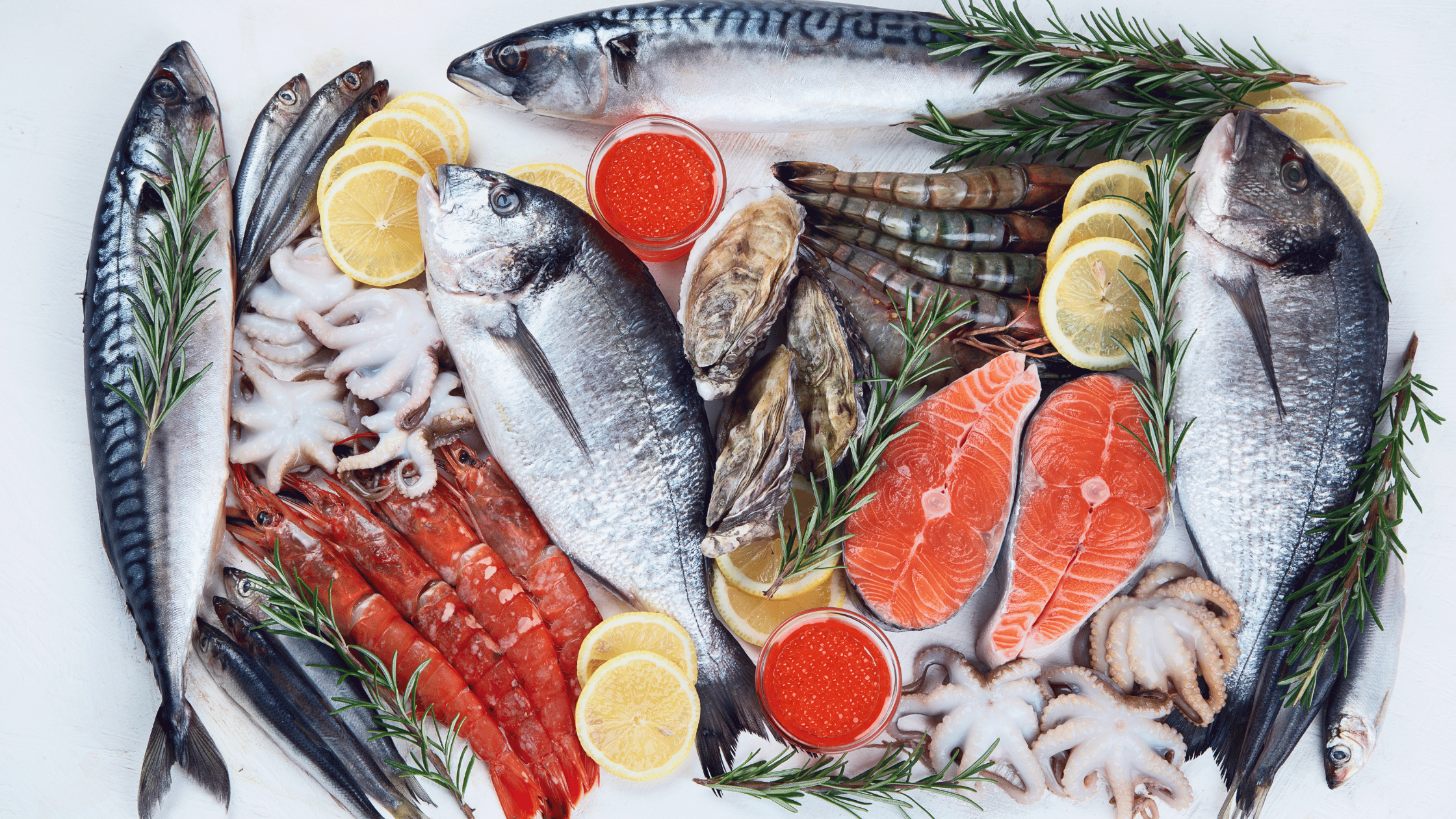
- Salmon, tuna, sardines, and mackerel are rich in protein and heart-healthy omega-3 fatty acids.
- White fish like cod and haddock are leaner options with fewer calories.
🥚 3. Eggs
- A nutrient-dense option, eggs provide about 6 grams of protein each and are also rich in B vitamins and choline.
- Hard-boiled, poached, or scrambled eggs are quick and versatile.
🥛 4. Dairy Products
- Greek yogurt, cottage cheese, and milk are protein-rich and contain calcium, vitamin D, and B12.
- Choose low-fat or plain versions to avoid excess sugar or saturated fat.
🌱 5. Plant-Based Proteins
For vegetarians and vegans, great options include:
- Legumes: Lentils, chickpeas, black beans (also high in fiber and iron)
- Tofu and tempeh: Complete plant proteins made from soybeans
- Quinoa: A protein-rich grain that contains all essential amino acids
- Nuts and seeds: Almonds, chia seeds, hemp seeds, and sunflower seeds
Smart Tip: Combine legumes and grains (like rice and beans) to create a complete protein if you’re eating a fully plant-based diet.
Vitamin-Rich Foods That Should Be on Your Plate
🍊 1. Fruits and Vegetables
These are your primary sources of vitamins, especially:
- Vitamin A: Carrots, sweet potatoes, spinach
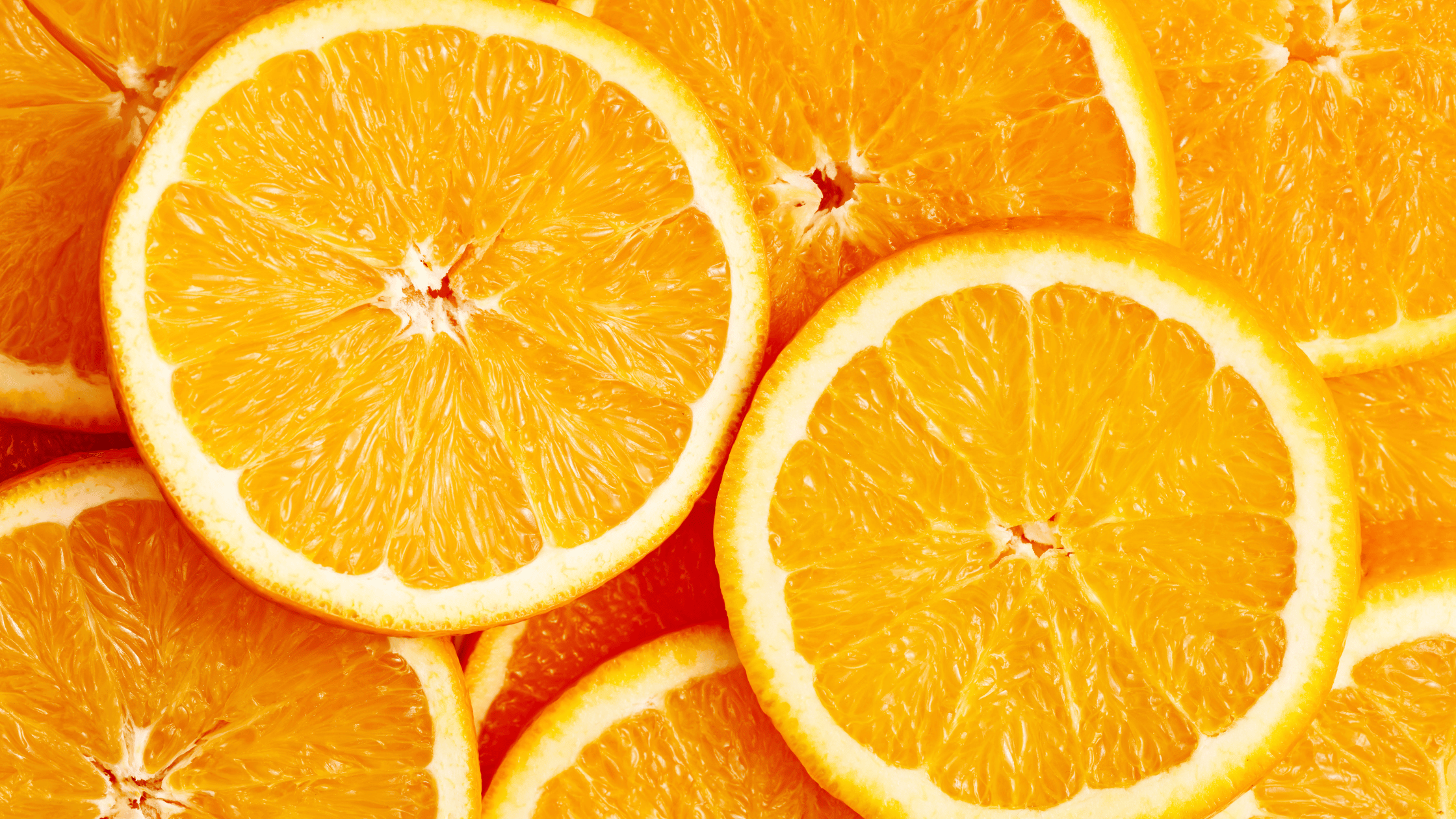
- Vitamin C: Oranges, strawberries, bell peppers, kiwi
- Vitamin K: Kale, broccoli, Brussels sprouts
- Folate (B9): Asparagus, avocado, leafy greens
Aim for a variety of colors on your plate to ensure a range of nutrients.
🥦 2. Leafy Greens
Dark leafy greens like spinach, collard greens, and Swiss chard are rich in:
- Vitamins A, C, and K
- Iron, magnesium, and calcium
- Antioxidants that protect against cell damage
🥜 3. Nuts and Seeds
Not only are they a source of plant protein, but they also provide:
- Vitamin E (especially almonds and sunflower seeds)
- Healthy fats that support vitamin absorption
🐟 4. Fatty Fish and Egg Yolks
These are among the best natural sources of vitamin D, which is crucial for bone health and immune function—especially if you don’t get much sun exposure.
🥛 5. Fortified Foods
Some vitamins, like vitamin B12 and D, can be hard to get from plant-based sources alone. Fortified foods such as:
- Breakfast cereals
- Non-dairy milks (almond, soy, oat)
- Nutritional yeast
…can help fill the gap.
Smart Eating Tips for Choosing Protein- and Vitamin-Rich Foods
✅ 1. Prioritize Whole Foods
Focus on foods in their natural form. The fewer ingredients on the label, the better. Whole foods contain more fiber, fewer additives, and better nutrient profiles.
✅ 2. Plan Balanced Meals
A smart plate should ideally include:
- A lean protein source
- At least one vitamin-rich vegetable
- A whole grain or healthy fat for balance
Example: Grilled chicken + steamed broccoli + quinoa + avocado.
✅ 3. Read Labels Wisely
Look for:
- High protein per serving (10g+ for meals, 5g+ for snacks)
- Fortification with key vitamins (especially for vegans or picky eaters)
- Minimal added sugars and artificial ingredients
✅ 4. Snack Smarter
Ditch the chips and sugary bars. Instead, opt for:
- Hard-boiled eggs
- Trail mix with almonds and pumpkin seeds
- Greek yogurt with berries
- Edamame or hummus with veggie sticks
✅ 5. Cook at Home When Possible
Home cooking gives you full control over:
- Ingredients
- Portion sizes
- Cooking methods (e.g., steaming vs. frying)
Use herbs and spices instead of salt-heavy sauces to add flavor.
✅ 6. Hydrate for Nutrient Absorption
Water helps your body absorb and transport vitamins, especially the water-soluble ones (B-complex, C). Aim for 6–8 glasses per day, and more if you’re active.
Common Mistakes to Avoid
❌ Skipping Protein at Breakfast
Breakfast sets the tone for your energy and focus. Skipping protein leads to mid-morning crashes and cravings. Try eggs, Greek yogurt, or a smoothie with protein powder.
❌ Overcooking Vegetables
Excessive boiling can reduce vitamin content. Instead, steam, sauté, or roast to preserve nutrients and enhance flavor.
❌ Relying Only on Multivitamins
Supplements can help—but they shouldn’t replace whole foods. Natural sources are more bioavailable and offer additional nutrients and fiber.
Conclusion
Smart eating isn’t about strict rules or eliminating foods—it’s about making informed choices that nourish your body and support long-term health. By prioritizing protein- and vitamin-rich foods, you provide your body with the fuel it needs to function, repair, and thrive.
Start small: swap in a few protein-rich snacks, add an extra vegetable to your plate, or choose whole foods over processed alternatives. Over time, these habits will become second nature, helping you live with more energy, better immunity, and lasting well-being.
Related Posts

Why You Should Choose Same Day HIV Test Result Bangkok for Speed and Accuracy
In today’s fast-paced world, waiting days or even weeks for…
The Power of Vitamin C: Top Food Sources and How to Choose Them
Introduction Vitamin C, also known as ascorbic acid, is one…
Seafood and Your Health: The Protein-Packed Secret to a Stronger Heart
Introduction When it comes to eating for heart health, seafood…